Beyond-use dating: why your prescription expires when it does
A compounded preparation's date is not the drug's expiry. It is a statement about risk, storage and how the preparation was made.
· 2 min read
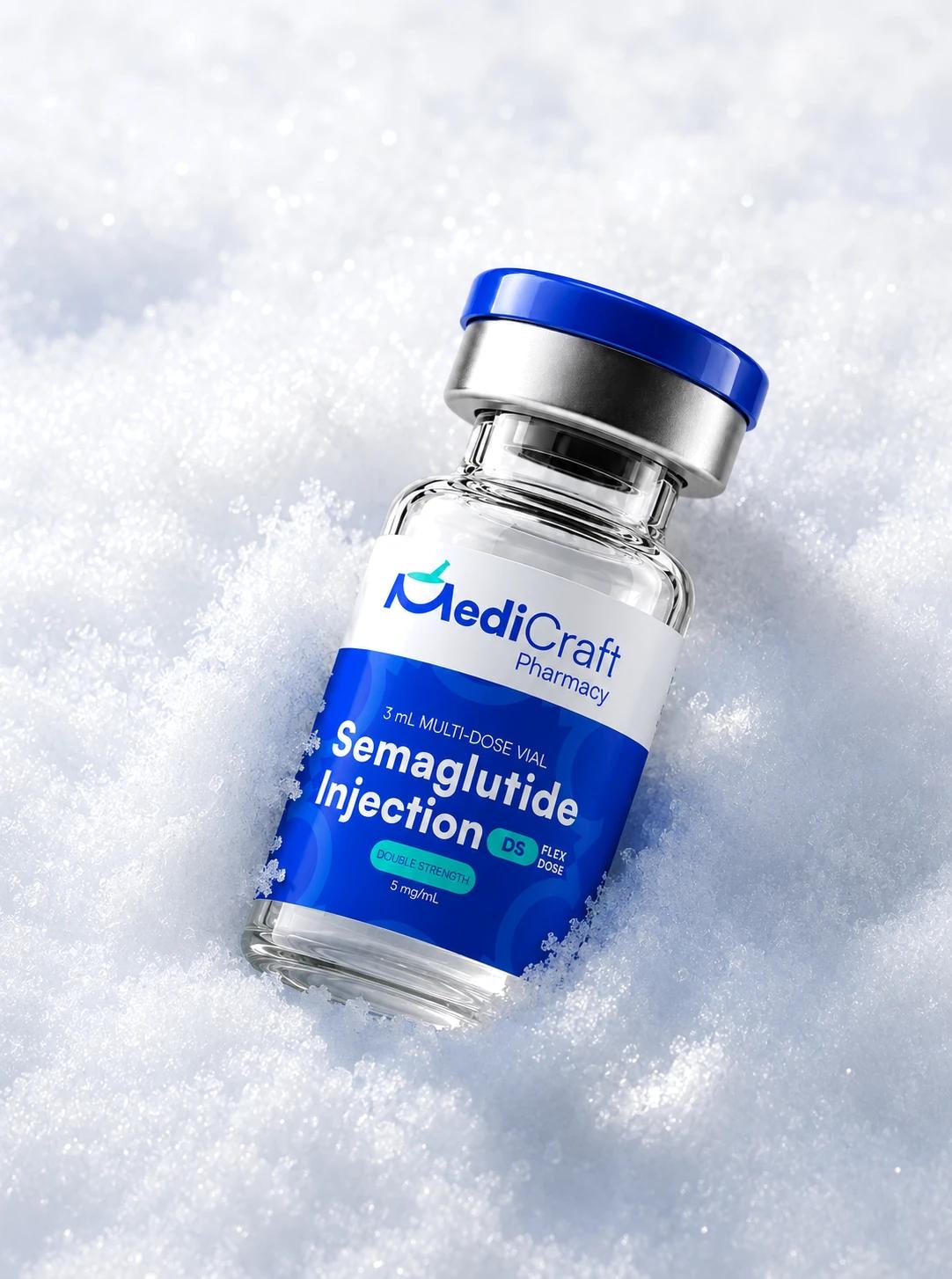
A manufactured drug carries an expiration date derived from stability studies on that exact formulation in that exact container. A compounded preparation carries a beyond-use date, and it is a different thing entirely.
The beyond-use date is the point after which the preparation should not be used. It is assigned from the compounding standard, and for sterile preparations it is driven primarily by the risk of microbial contamination rather than by chemical degradation.
Why it is often shorter than you expect
A prescriber who knows a molecule is stable for two years can be surprised to receive a preparation dated in weeks. The date is not a claim about the molecule. It is a claim about the preparation: this container, filled this way, in this environment, stored at this temperature.
Where a pharmacy has performed sterility testing on the batch, longer dating may be supportable. Where it has not, the standard's default limits apply, and they are conservative on purpose.
What changes it
- Storage temperature. Refrigerated and frozen preparations are dated differently from those at controlled room temperature.
- Container closure. A single-dose vial and a multiple-dose vial do not behave the same once punctured.
- Whether the batch was tested. Sterility and endotoxin testing on the batch itself is what supports extended dating.
What this means for your prescription
If a patient needs a ninety-day supply and the preparation dates at thirty, that is not an obstacle to be negotiated — it is the standard doing its job. The usual answers are a different formulation, a different concentration that allows a smaller volume, or scheduled refills.
Ask the pharmacy what drives the date on a preparation you prescribe often. If the answer is specific, you are dealing with somebody who knows their own process.