Five questions to ask before you send a prescription
Choosing a compounding pharmacy is a clinical decision. These five questions separate the ones that will answer from the ones that will not.
· 2 min read
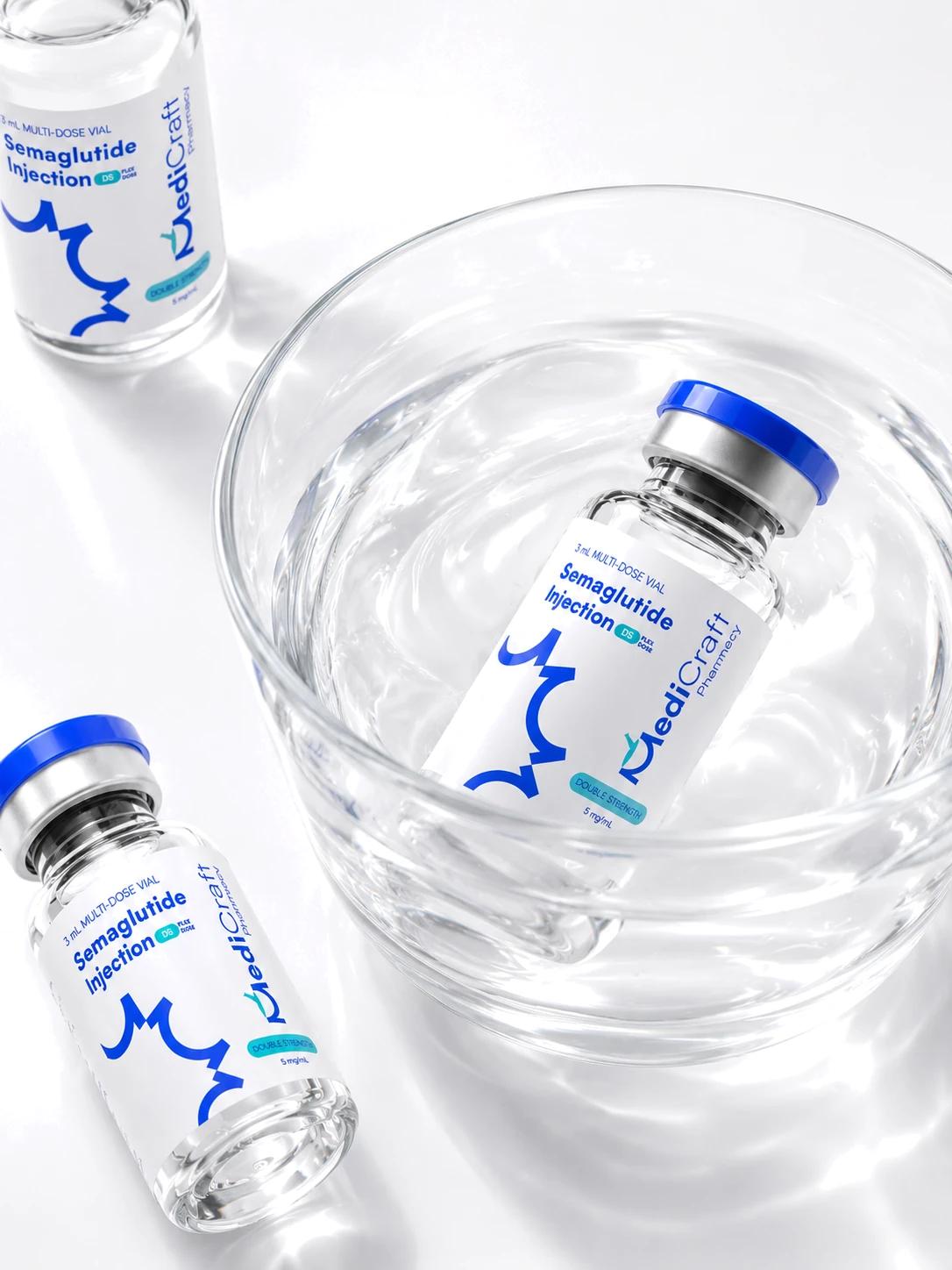
You are responsible for the prescription you write. When it is compounded, you are also, in practice, relying on a facility you have probably never visited.
These five questions are answerable in a short phone call. The answers matter less than whether they arrive readily.
1. Who tests your finished preparations, and may I see a certificate of analysis?
Third-party potency and sterility testing is the single most useful signal. Ask for a recent certificate of analysis on a preparation you actually prescribe. A pharmacy that tests will send one; a pharmacy that does not will explain why not, and that explanation is informative too.
2. What is your beyond-use dating, and what supports it?
Covered at length in its own article. The answer you want is specific: a date, a basis, and whether batch testing supports extended dating.
3. Are you 503A or 503B, and what is your licence number?
This decides what they may legally compound for you. The number should be verifiable with the state board.
4. What happens when something is wrong?
A wrong strength, a damaged shipment, a patient reaction. Ask who you call, how fast they respond, and whether they can trace a specific vial back to the batch it came from and the person who made it.
5. Can you tell me why this formulation?
If you ask why a preparation uses a particular vehicle, preservative or concentration, somebody should be able to tell you. A pharmacy that compounds thoughtfully has a reason for each choice. One that cannot explain is following a recipe.
None of these require specialist knowledge to ask, and none should take long to answer. The pharmacies worth using tend to enjoy the conversation.